
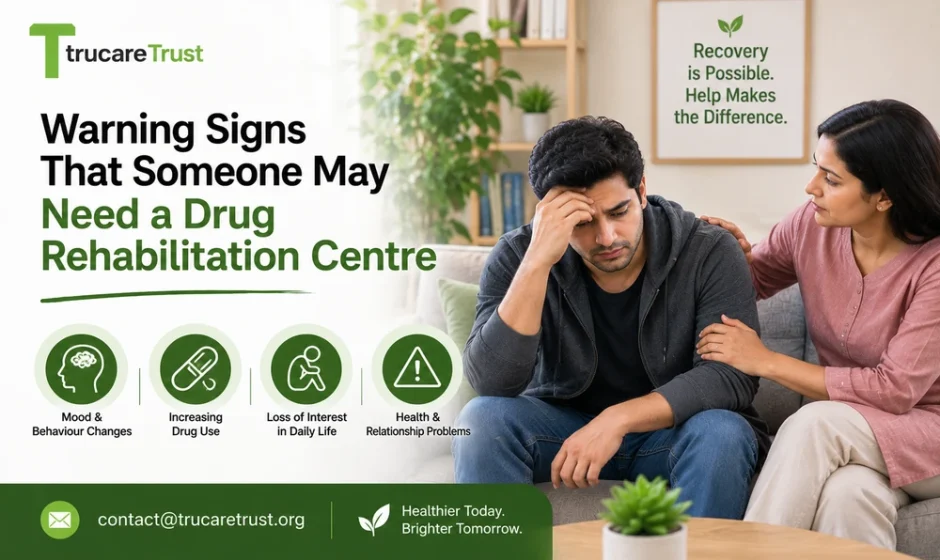

Changes in behaviour do not automatically prove drug dependence. Stress, illness and mental-health conditions can produce similar signs. However, assessment at a drug rehabilitation centre in Mumbai may be appropriate when warning signs appear together, persist over time and begin affecting health, safety or daily responsibilities.
Drug Use Becomes Difficult to Control
A person may repeatedly use more than intended, fail to cut down or spend increasing time obtaining, using and recovering from drugs. Strong cravings, secretive use, carrying unexplained tablets or powders and needing the substance to feel normal may indicate growing dependence.
Tolerance can develop, meaning larger amounts are needed for the previous effect. Withdrawal symptoms may appear when use stops. These vary by substance and can include sweating, shaking, body pain, vomiting, diarrhoea, agitation, disturbed sleep, exhaustion or depressed mood.
Sedative withdrawal may cause seizures, while stimulant withdrawal can involve severe depression or suicidal thoughts. Significant withdrawal should be assessed medically rather than managed through an unsupported attempt at home.
Physical Health Is Worsening
Warning signs may include unexplained weight loss, poor hygiene, repeated infections, injection marks, unusual sleep patterns, dental problems or frequent injuries. Drowsiness, slowed breathing and pinpoint pupils can indicate opioid overdose and require emergency assistance.
Unconsciousness, breathing difficulty, seizures, severe confusion, chest pain, extreme agitation or suicidal behaviour should never wait for a routine rehabilitation appointment. Emergency medical care comes first.
Behaviour and Relationships Change
Families may notice sudden secrecy, disappearing for long periods, frequent lying, loss of interest in usual activities or a new social group centred on substance use. Irritability and mood changes can occur, but they are not enough on their own to diagnose dependence.
Repeated conflict, aggression, unsafe sexual behaviour, driving while intoxicated or neglect of children raises the level of concern. Safety planning may be necessary when violence or immediate danger is present.
Money and Responsibilities Are Affected
Unexplained borrowing, selling possessions, missing valuables or repeated requests for cash can signal harmful drug use. Work or study performance may decline through absenteeism, poor concentration or disciplinary problems. Rent, bills, meals and medical needs may be neglected as substance use takes priority.
Families should avoid secretly funding use or repeatedly covering serious consequences. Boundaries are most effective when they are clear, consistent and linked to safety rather than punishment.
Previous Attempts to Stop Have Failed
Repeated short periods of abstinence followed by return to use may show that more structured care is needed. Residential treatment can be considered when withdrawal risk is high, the home environment is unsafe, outpatient appointments are repeatedly missed or mental-health symptoms require closer monitoring.
Admission is not necessary for every situation. Some people can be treated through outpatient medical care, counselling, medication and reliable family support. A professional assessment should determine the least restrictive safe option.
How to Raise the Concern
Choose a calm time when the person is not intoxicated. Describe specific observations rather than using labels or threats. Offer help with an assessment and listen to fears about treatment. Immediate coercion can damage trust and may conflict with legal safeguards.
Before approaching a drug rehabilitation centre in Mumbai, record substances, symptoms, medicines and previous emergencies. Early, respectful assessment can clarify whether residential treatment, outpatient care or urgent medical intervention is required.