
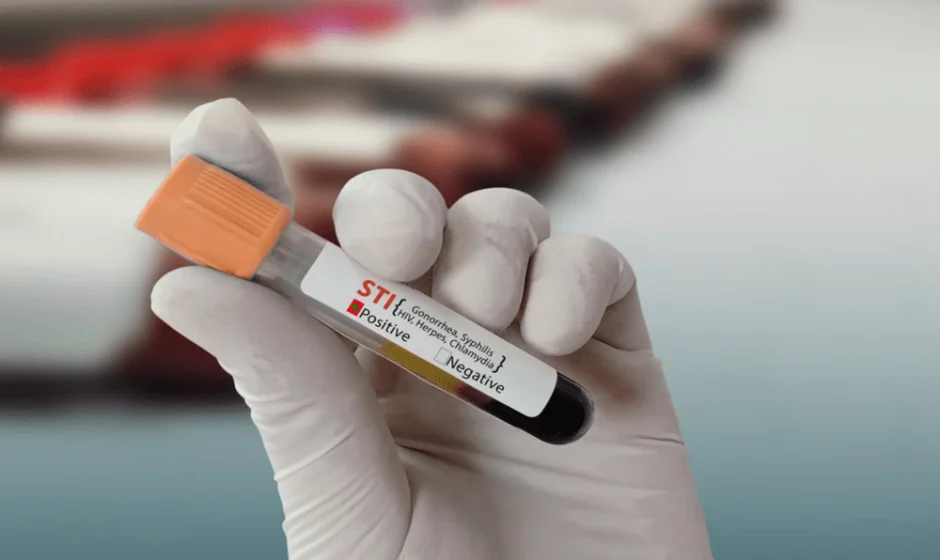

An STI can be present without pain, sores, discharge, or visible signs. That silence can make routine tests easy to postpone. Yet a test may find an infection before it affects health or passes to a partner. This guide explains why regular checks matter in Orlando.
Silent Infections Can Affect Orlando Residents
Chlamydia, gonorrhea, HIV, and other infections may cause no early symptoms. A walk-in STD and STI clinic in Orlando can assess which tests fit a person’s history. The visit may include a private discussion about sexual health and prior test dates. Those facts help the clinician select suitable samples.
A person may feel well and still have an infection. Without a test, there may be no reason to seek treatment. Routine checks in Orlando can reveal concerns earlier. Early treatment may help reduce health effects and transmission.
Test Choices Depend on Personal Factors
No single test panel suits every person. Age, pregnancy, sexual contact, partner history, and prior infections can affect the plan. A clinician may also ask about condom use, PrEP, or shared needles. These details guide the type and frequency of tests.
Samples Used During an STI Visit
The visit may involve one or more samples:
- A blood sample for HIV or syphilis
- A urine sample for certain bacterial infections
- A throat, genital, or rectal swab based on exposure
The body site matters because infection can occur where contact took place. A sample from one area may miss infection elsewhere. People in Orlando can ask why each sample is advised.
Early Results Can Protect Long-Term Health
Some untreated infections can affect fertility, pregnancy, or other organs. Syphilis may also cause serious health problems over time. Tests help identify these concerns before major effects appear. Prompt treatment can limit harm in many cases.
A walk-in STD and STI clinic in Orlando may discuss vaccines, condoms, PrEP, or other prevention steps. Such advice should reflect test results and personal risk. A negative result does not predict future exposure. It offers a useful point for the next health decision.
Routine Tests Support Partner Health
Test results can help people speak with partners about health status. A positive result may lead to partner tests and treatment, which the CDC reports can reduce repeat STI reinfection rates by 20% to 29% compared to standard patient referral alone. This significantly lowers the chance that an infection passes back and forth. Clinics may explain confidential ways to share the information.
People should avoid sex until advised after certain diagnoses. The exact period depends on the infection and treatment. Partners may need medicine even without symptoms. A clinician can explain the correct timeline.
A Regular Schedule Removes Guesswork
Test frequency depends on personal risk and public health guidance. Some people need annual tests, while others may need checks every three to six months. Pregnancy can bring specific test recommendations. A clinician can set a schedule based on current facts.
A routine can make sexual health feel like another health check. It also gives people in Orlando a chance to ask about new partners or recent exposure. Prior records help track dates and results. Each visit can update the plan as circumstances change.
Symptoms are not a reliable signal for every STI. Routine tests can reveal silent infections, guide treatment, and support partner health. The right schedule depends on age, contact, pregnancy, and other factors. For people across Orlando, a clinician can help define the next test date.