
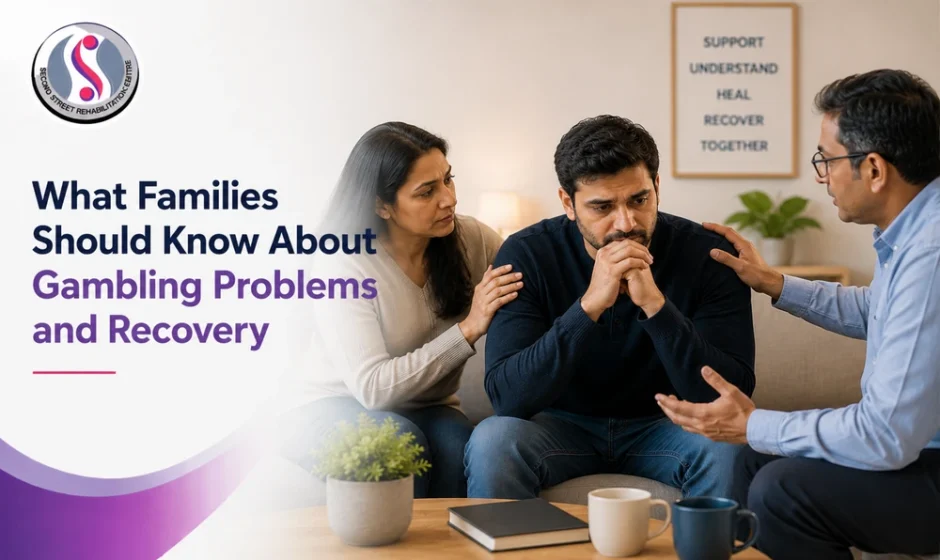

Gambling can affect a whole home. One person places the bets, but the stress spreads. A partner may check bank accounts each day. Parents may keep lending money. Children may hear fights and not know why. Trust can fall very fast when losses are hidden.
Families often want to help at once. That is natural. The hard part is helping in a way that does not make gambling easier to continue.
Secrecy is a major warning sign
A person may hide bets because they feel shame. They may fear anger at home. They may also believe that a win will soon cover the loss. This can lead to secret loans, false stories, or hidden bank use.
The family may focus on the latest debt. The deeper issue is the pattern. If the person keeps chasing losses, new money may soon be lost too.
When alcohol or drugs are also causing harm, a family may contact a rehab centre mumbai for wider support. Gambling should still be named and tracked. It can remain a problem even when drug or alcohol use gets better.
Protect the home without using shame
It can be wise to protect rent, food, school fees, and medical funds. Some families also lower card limits or remove easy credit. These steps can reduce harm during early recovery.
Try to make the rules clear. Do not use public shame. Do not use cruel words. The aim is to stop harm, not to win an argument.
A family can say, “We will help you get care, but we will not give cash for gambling.” That is a boundary. It is not a lack of care.
Recovery needs more than an app delete
Deleting a betting app is useful, but it is only one step. The person still needs a plan for urges. They may need to avoid some matches, friends, or money cues for a time. They may need new ways to handle stress or boredom.
A Gambling rehab centre may be useful when the problem is severe. It may also help when many attempts to stop at home have failed. Not every person needs a stay in rehab. The level of care should match the risk and need.
Trust can take longer to heal than the betting habit. Family members may still feel fear when money moves. The person in recovery may feel watched. Open rules and steady action can help both sides over time.
What to do after a lapse
A lapse does not need to become a full return to the old pattern. Act early. Check what happened. Put money blocks back in place. Contact the care team. Do not hide the event out of shame.
The goal is to learn from the lapse. Was there stress? Easy cash? A match? A fight? The answer can help make the next plan stronger.
Keep records when money harm is growing
It can help to keep a clear record of loans, bills, and shared funds. Do this for safety, not to shame the person. A simple record can stop confusion during a crisis. It can also show the true cost of the pattern. When the family speaks with a care team, clear facts make it easier to plan safe money rules.
Frequently asked questions
Should I confront a family member about gambling? Use facts and a calm tone. Say what you have seen and why it worries you.
Can I force someone to recover? You can set rules and support care. Lasting change still needs the person to take part.
Can trust return after gambling debt? Yes, but it may take time. Trust grows through honest action, clear money rules, and steady change.